Personal Training in Hallandale Beach How to Choose a Program for Your Goal
A local guide to choosing coaching that matches your goal experience and schedule
Choosing a personal training program is easier when the decision starts with your goal rather than a list of exercises. A beginner who wants to build confidence, an adult focused on strength, and a young athlete preparing for competition may train in the same facility, but they should not follow the same plan.
The right program should explain what you will work on, how progress will be measured, and how the plan will adapt when your schedule, performance, or recovery changes. Location and session format matter, but the quality of the coaching process matters more.
A good personal training program should give you a clear starting point, a realistic next step, and a way to measure whether the plan is working.
Start with the result you want
Improve general fitness
If your goal is to feel stronger, move with more confidence, and improve your overall conditioning, look for a balanced program that includes strength, movement quality, and gradually progressed cardiovascular work. The plan should match your current capacity instead of treating exhaustion as the goal.
Build strength or muscle
A strength-focused plan needs repeatable exercises, appropriate loading, sufficient recovery, and a progression method. Changing the workout every session may feel entertaining, but it can make progress difficult to measure.
Reduce body fat
Training can support fat loss by preserving or building muscle, improving fitness, and creating a consistent routine. A responsible program should avoid promises of rapid transformation and should recognize that nutrition, sleep, stress, and daily activity also affect results.
Improve sports performance
Athletes need a program that reflects their sport, schedule, age, training history, and competition calendar. Strength, acceleration, power, deceleration, mobility, and recovery may all matter, but the priority should be based on an evaluation rather than a generic circuit.
Return after injury or a long break
If pain, surgery, or rehabilitation is part of the story, the trainer should work within the guidance provided by qualified healthcare professionals. The program should use clear progressions and avoid treating discomfort as proof of improvement.
Compare the program formats
|
Format |
Best fit |
What to confirm |
|
One to one |
Specific goals or close coaching |
Assessment, feedback, and progression |
|
Couples training |
Partners with compatible schedules |
How exercises are individualized |
|
Small group |
Community and shared coaching |
Group size and coaching attention |
|
Youth training |
Young athletes and general development |
Age-appropriate instruction and workload |
|
Single session |
Trying the environment or short-term need |
What the session includes |
|
Monthly package |
Consistent weekly attendance |
Session frequency, validity, and scheduling |
|
Recovery or therapy service |
A defined recovery or clinical need |
Provider qualifications and scope |
|
Nutrition support |
Food strategy aligned with the goal |
Personalization and professional scope |
FB Training Center currently lists personal memberships, couples or group memberships, monthly packages, personal training, nutrition plans, single sessions, recovery, rehabilitation, and therapy-related options on its official website. Availability and package details should be confirmed directly before purchase [1, 2].
What a useful first conversation should cover
Your primary goal and why it matters to you.
Training experience and exercises you already know.
Injuries, pain, medical guidance, and relevant limitations.
Work, family, school, sport, travel, and realistic availability.
Current sleep, stress, recovery, and physical activity.
The coaching format you prefer and the level of support you need.
How progress will be measured and reviewed.
A trainer does not need to turn the conversation into a sales pitch. You should leave with a clearer understanding of the recommended format, the reason it fits your goal, and what the first phase of training will involve.
Five signs the program is individualized
1 The starting point is assessed
The coach observes relevant movements and asks about your history before choosing loads, exercises, and training volume. The assessment should serve the program, not become a performance test that leaves you exhausted.
2 Exercises have a purpose
You can ask why an exercise is included and receive an answer connected to your goal. The coach may change an exercise when needed, but the plan should still have a clear direction.
3 Technique is coached
Personal training should include useful feedback. Instructions should help you improve control and understand the movement rather than make you dependent on constant correction.
4 Progression is planned
Progress may include more load, repetitions, range, control, speed, or work capacity. The next step should be earned through consistent performance rather than added randomly.
5 Recovery changes the decision
A good plan can be adjusted when sleep, stress, soreness, competition, or another demand changes. Adaptation does not mean starting over. It means protecting the main goal while choosing the right dose for the day.
Questions to ask before purchasing a package
Who will coach me, and will I work with the same trainer?
What happens during the first session or evaluation?
How often do you recommend training for my goal and why?
How will you track progress?
Can the plan be adjusted for travel, sport practice, or a changing schedule?
What is included in the package, and how long is it valid?
How are cancellations, rescheduling, and missed sessions handled?
If I have pain or a clinical concern, how will training coordinate with healthcare?
The lowest price is not automatically the best value. Compare the coaching time, individualization, progression, communication, and services you will actually use.
Choosing a program for a family
Families may need different solutions under one roof. A parent may want strength and general fitness while a teenager needs physical preparation that complements a sport. Each person should still have an individual goal, appropriate instruction, and a workload that fits the rest of the week.
For young athletes, ask how the program accounts for age, maturation, sport practices, games, school, and recovery. Youth training should build skill and capacity without copying an adult bodybuilding program or adding unnecessary fatigue.
What to expect during the first month
Learn the environment and movement standards
Early sessions should help you understand equipment, exercise setup, breathing, range, and effort. Loads may feel conservative while the coach learns how you respond.
Establish a repeatable schedule
The best theoretical plan has little value if it cannot fit your week. Choose session times and frequency you can sustain, then add complexity only when attendance and recovery are consistent.
Create a baseline
A baseline can include movement quality, training loads, repetitions, selected fitness measures, or sport-specific tests. The measures should match the goal and be repeated under similar conditions.
Review the response
The coach should look at technique, effort, soreness, energy, and progress before changing the plan. One difficult day is information, but it should not define the entire program.
Common mistakes when choosing personal training
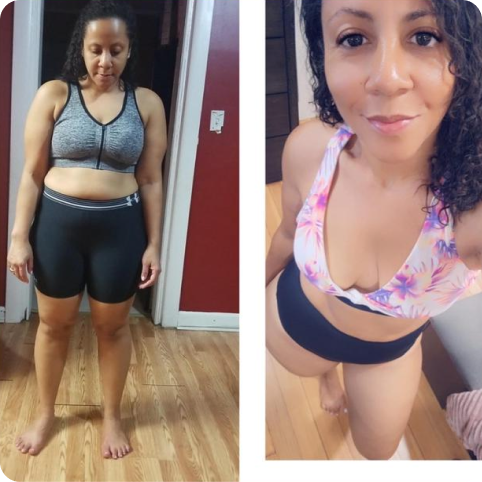
Choosing only by the most dramatic before-and-after photo.
Assuming every hard workout is a productive workout.
Buying a large package before understanding the coaching format.
Ignoring travel time and scheduling realities.
Selecting exercises before clarifying the goal.
Expecting nutrition, therapy, and training to be the same professional service.
Comparing your starting loads with another client.
Personal training in Hallandale Beach
FB Training Center lists its Hallandale Beach location at 701 N Federal Hwy, Suite 212, 2nd floor, Hallandale Beach, FL 33009 [1]. The center describes an integrated approach that includes physical preparation, fitness, physiotherapy, nutrition, and recovery services for professional athletes, amateur athletes, youth ages 7 to 17, and adults who want to improve their fitness [2].
Because schedules, coaches, package availability, and service details can change, confirm the current option directly before visiting or purchasing. Bring your goal, weekly availability, training history, and any relevant medical guidance to the first conversation.
Book a session at the Hallandale Beach location and ask which coaching format best matches your goal, schedule, and experience.
Frequently asked questions
How many personal training sessions do I need each week?
There is no universal number. Your goal, experience, other activity, schedule, and recovery determine the starting frequency. Some people need more coached practice, while others combine one coached session with independent work.
Do I need to be fit before starting?
No. A suitable program should begin from your current capacity. Tell the coach what feels unfamiliar, what you want to improve, and what has made consistency difficult in the past.
Can couples train together with different goals?
Often yes, if the session allows each person to use appropriate exercises, loads, and progressions. Ask how the coach individualizes the work rather than expecting both people to perform identical tasks.
Is personal training only for athletes?
No. The same principles of assessment, instruction, progression, and recovery can support adults who want general fitness, strength, body composition changes, or greater confidence in the gym.
Choose the process you can repeat
The best personal training program is not the one with the most exercises or the hardest first session. It is the one that starts from your needs, teaches you how to train, records your response, and provides a realistic next step. When the coaching format and schedule fit your life, consistency becomes easier to build.